Key takeaways
- Inclusive play is about every child being able to reach and enjoy the space.
- Accessible routes and rollable surfaces are the foundation.
- Variety of play types lets children choose how to play.
- Requirements vary, so check with your architect or local authority.
What inclusive means
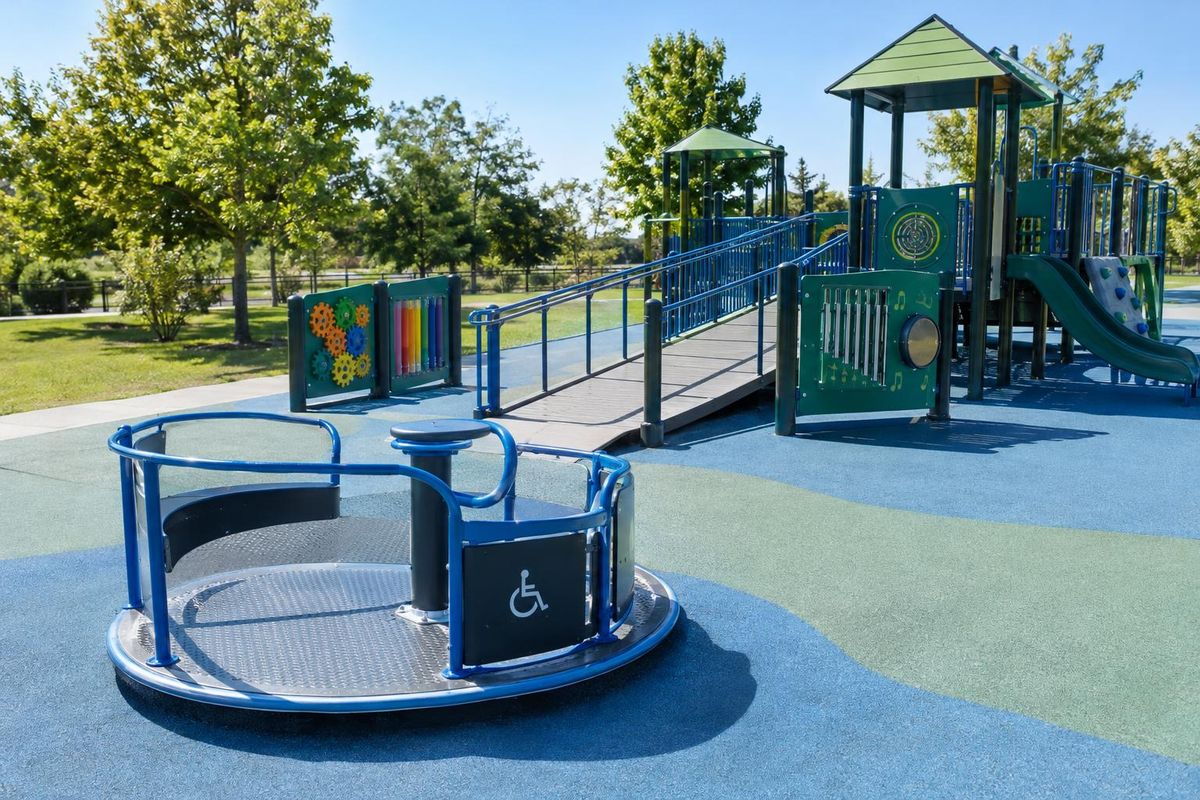
An accessible playground can be reached and used by children with different abilities. An inclusive playground goes further and invites children of different abilities to play together. It offers a range of ways to move, touch, listen and imagine.
That means more than a ramp. It means thinking about the whole experience.
Routes and surfaces
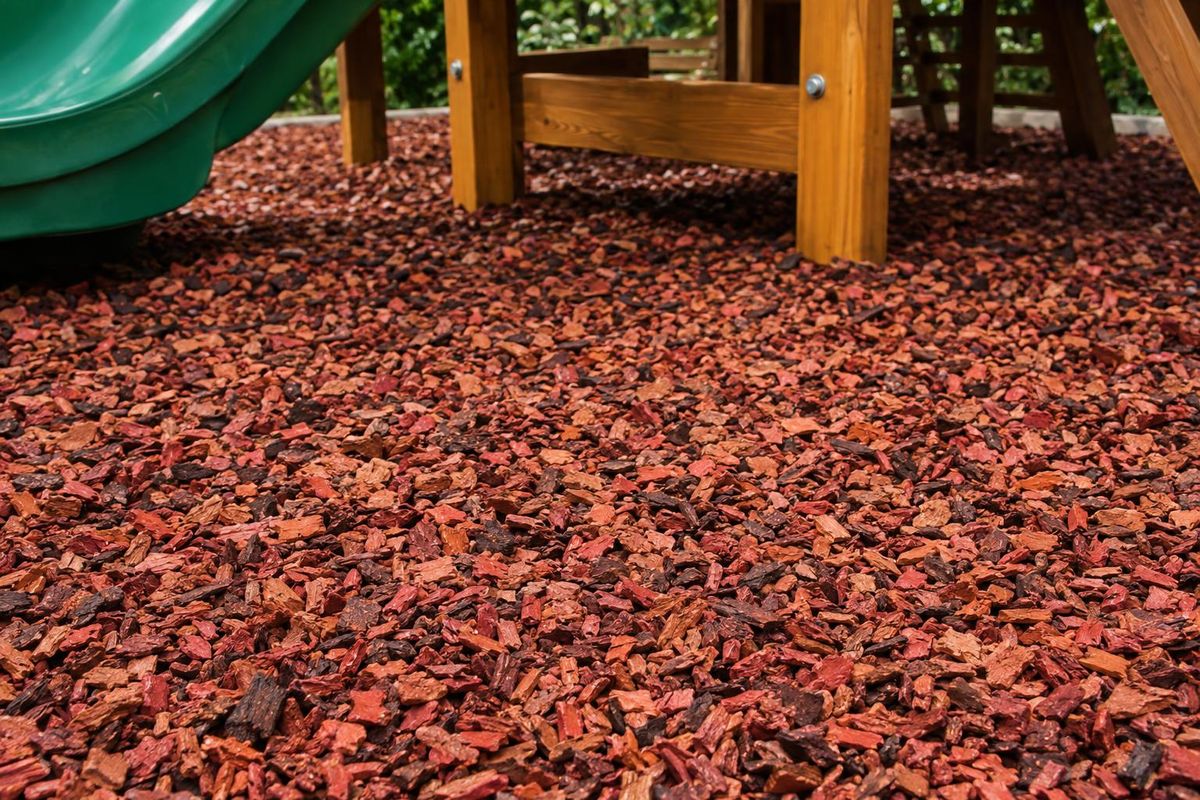
Smooth, firm paths lead to and around the play area. The surface under and around equipment should be stable enough for wheelchairs, walkers and other mobility devices. Poured rubber and rubber tiles are common choices. Loose fill is harder to roll across.
Ramps to raised decks and transfer points help children reach higher play.
Variety of play
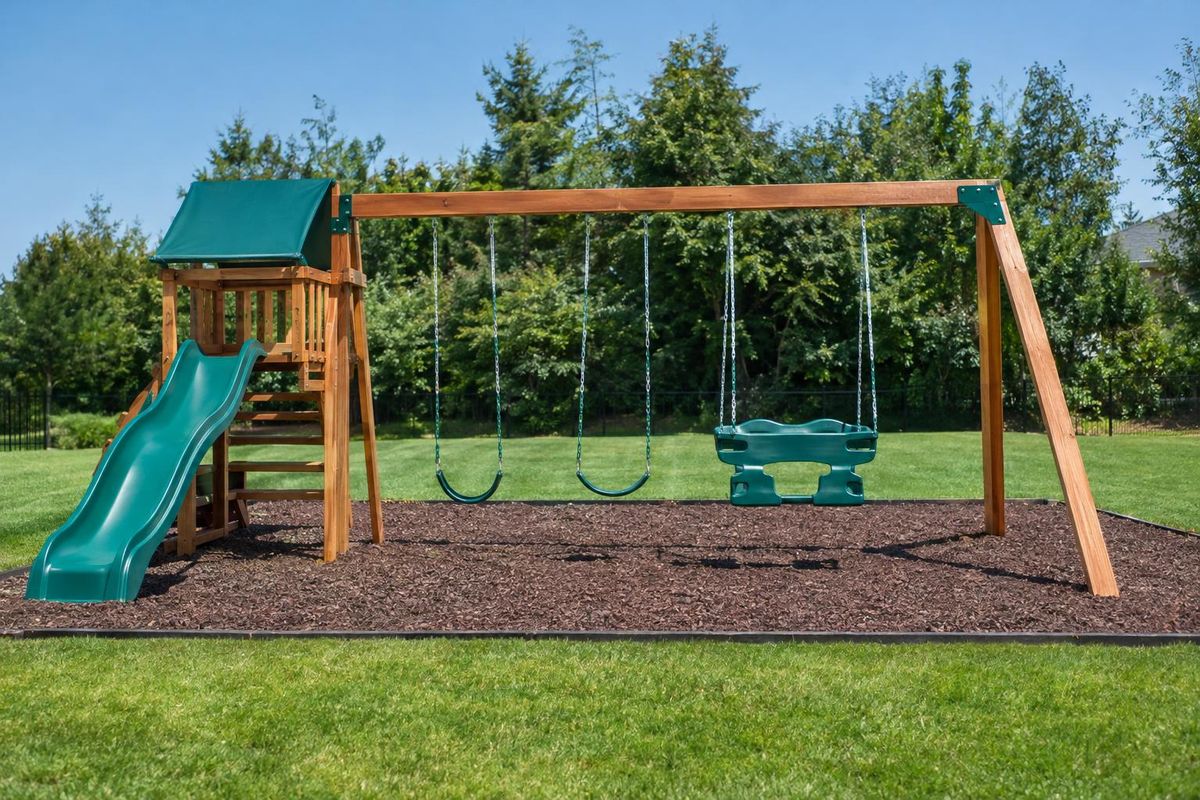
Ground-level play features, sensory panels, musical pieces, wide swings with support and quiet nooks give children choice. Shade and seating help families with different needs stay comfortable.
Good design also thinks about sight lines and supervision.
Planning your project
Requirements for accessibility depend on the project type and local rules. Check with your architect or local authority, and ask us to help plan the layout and surfacing. Parents and children who will use the space are great sources of ideas.
Even a small backyard can include inclusive touches.
Quick answers
Does every playground have to be accessible?
Public playgrounds generally must meet accessibility requirements. Private backyards do not, but inclusive ideas still help.
Which surface works for wheelchairs?
Poured-in-place rubber and rubber tiles are firm and stable. Loose fill is harder to roll across.
Can an older playground be made inclusive?
Often yes with new surfacing, ramps and added features.