Key takeaways
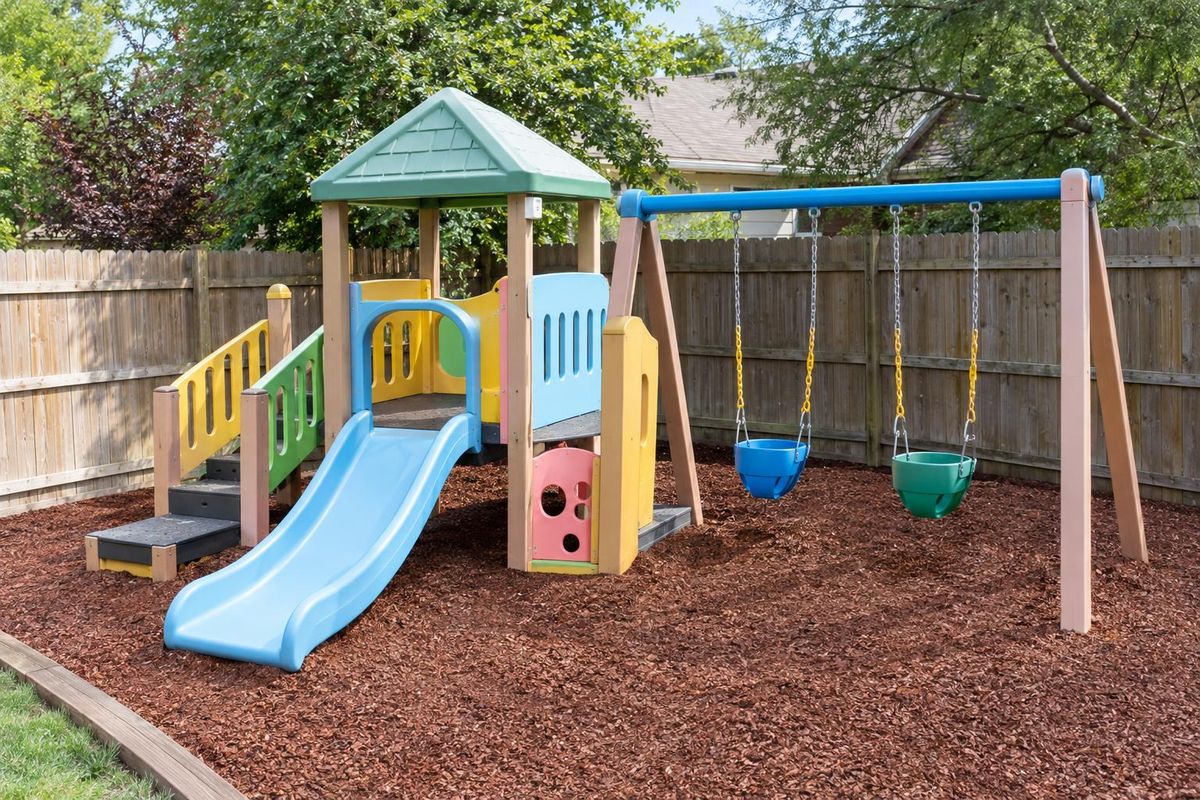
- Toddlers need low platforms, bucket swings and gentle slides.
- Elementary-age kids love climbing, bigger slides and bars.
- Older kids and teens enjoy rings, obstacle courses and open swing space.
- Always follow maker age guidance and supervise play.
Toddlers and preschoolers
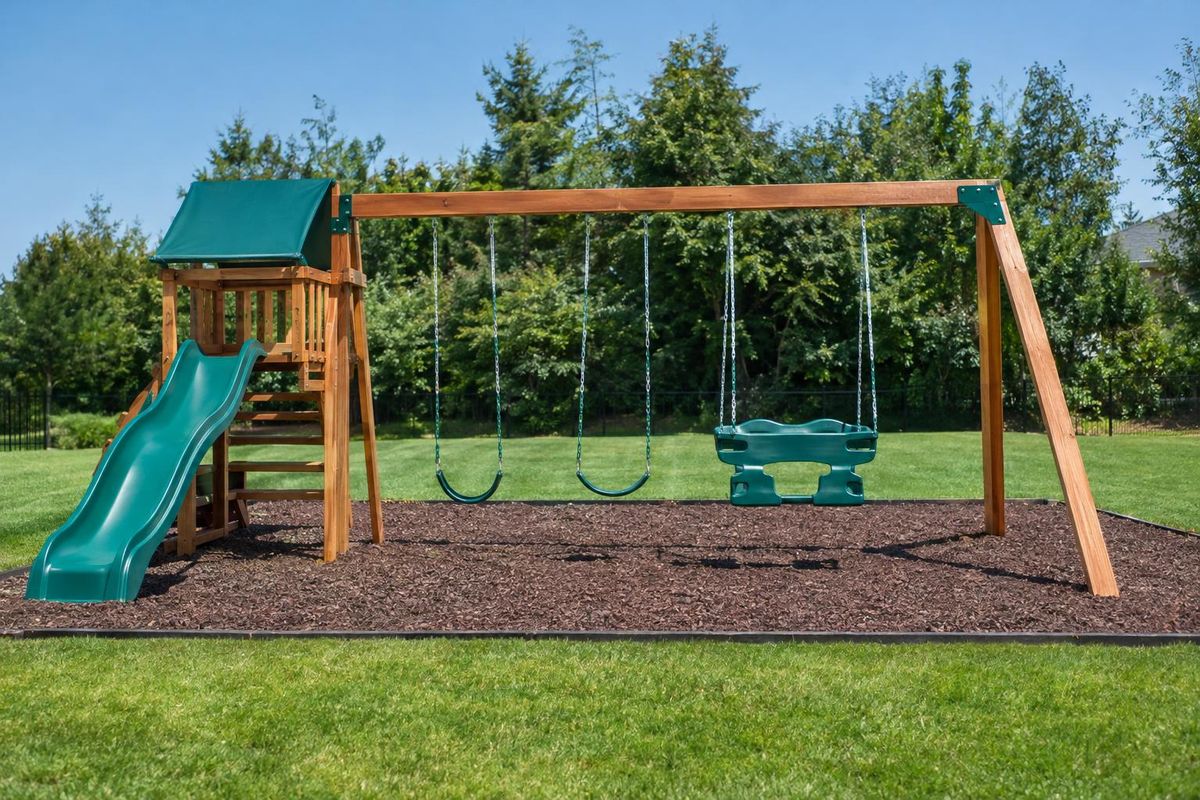
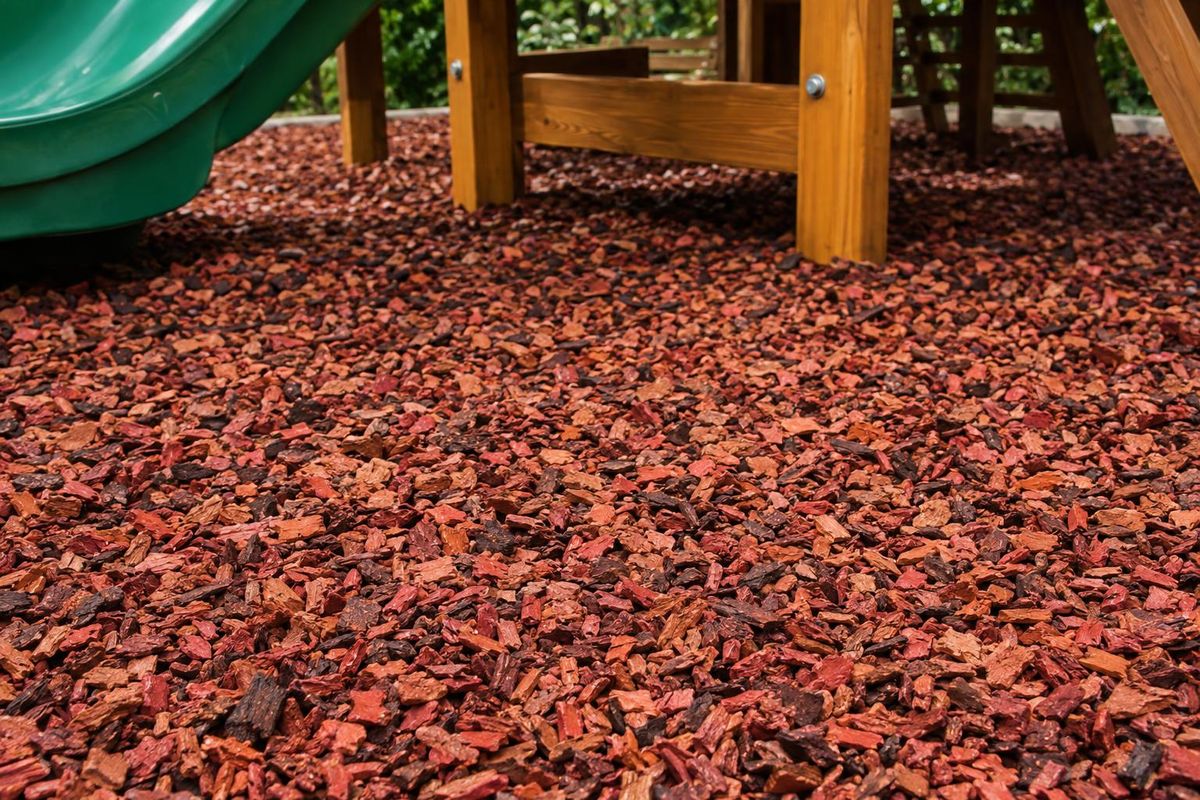
Little kids need equipment made for their size. Low platforms, wide steps, short slides, bucket swings with full support and sandboxes all work well. A fenced area and soft surfacing add peace of mind.
Stay close. Even well-designed toddler equipment needs a watching adult.
Elementary-age kids
This is the golden age of playsets. Kids love climbing walls, monkey bars, forts, tube slides and belt swings. Higher platforms and more adventurous features suit them, with soft, deep surfacing below.
Variety keeps interest: swinging, climbing, sliding and pretending all in one set.
Tweens and teens
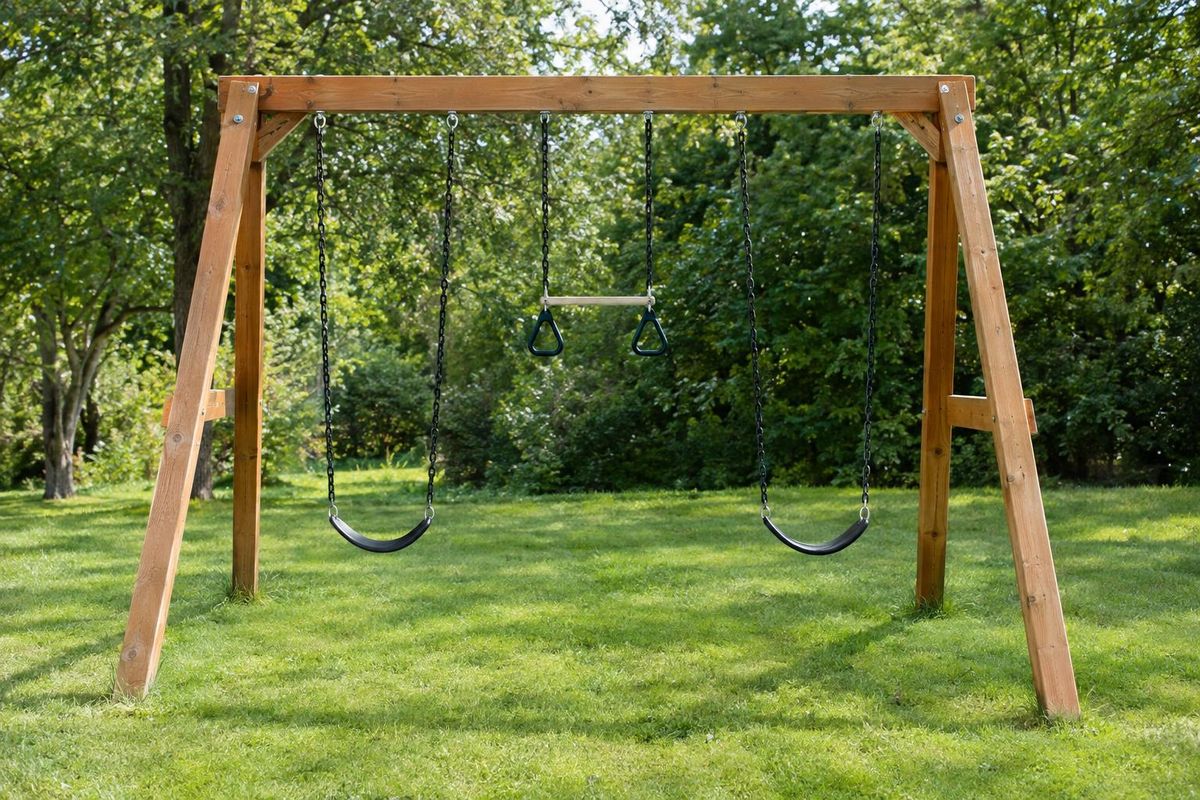
Older kids outgrow small sets but still love to swing, climb and hang out. Rings, trapeze bars, obstacle courses, ninja-style features, zip lines and bigger swing beams keep them active. Seating and shade for hangouts also matter.
Consider adult-rated equipment and weight limits.
A set that grows
If you can, choose a set with add-on points. Start with a toddler-friendly set and add a wall or slide later, or buy a larger set and add toddler-safe features at first. Planning ahead saves money and keeps play fresh.
A design consultation can map this out for your family.
Quick answers
What age is a swing set for?
Different pieces suit different ages. Always follow the maker's age and weight guidance.
Should toddlers and big kids share a set?
Sometimes, with separate zones and supervision. Many families prefer a toddler area apart from the big-kid area.
When should I add features?
As your kids grow and their interests change. Plan add-on points from the start.